

 Have you ever wondered what makes Zongzi, the humble triangular parcel of delight, a food for the soul? Steamed to perfection, wrapped in bamboo leaves and filled generously with a plethora of ingredients - from succulent meats to hearty beans and nuts, every bite of this glutinous rice dumpling is a taste of the rich tapestry of Chinese culture.
Zongzi's story began over 2300 years ago, its tale steeped in history and mythology, evolving with the changing times to become a popular staple across China, reflecting a multitude of regional flavors.
While Zongzi is enjoyed throughout the year, its cultural significance comes to the forefront during the Dragon Boat Festival. As Chinese families worldwide gather around to make these tasty packages with their favorite fillings, they are also sharing the legend of the origin of Zongzi.
The enchanting story of Zongzi is inseparable from the revered poet Qu Yuan. Known for his wisdom, Qu Yuan was a beloved statesman in the kingdom of Chu during the tumultuous times of the Warring States period. After falling out of the king's favor, he spent his days in exile, pouring his heart out into poignant verses.
Tragedy struck in 278 BC, when news of his cherished Chu capital falling into the hands of the formidable Qin state reached him. Overcome by despair, Qu Yuan chose to end his life in the Miluo River. This shocking news drove the local villagers into the river in a frenzied rescue attempt.
Their efforts in vain, they resorted to an unconventional strategy: rice dumplings wrapped in bamboo leaves were tossed into the river, distracting the fish and preserving Qu Yuan's body. This heartfelt act of reverence is commemorated in every bite of Zongzi we enjoy today, adding a special significance to the Dragon Boat Festival.
Over the years, Zongzi has transformed to represent various regions and flavors - from Cantonese and Hokkien to Hakka and Taiwanese.
In the multicultural hub of Orange County and Southern California, the love for Zongzi is apparent. A visit to Asian supermarkets like 99 Ranch Market or local mom-and-pop stores such as Champion Food or Diho Bakery will guarantee a selection of Zongzi in the classic flavors.
You can find the most varieties of Zongzi in the refrigerated section at 99 Ranch Markets. There are vegetarian Zongzi with red bean paste, peanuts, lotus seeds, dried longan or even multi-grains. For those with a savory palate, you can find Zongzi filled with pork, shitake mushrooms, egg yolk, and chestnuts.
In fact, Zongzi is so common that most Chinese restaurants around Irvine do not list zongzi on the menu. If you would like to try some fresh and authentic Zongzi, you can head over to Dintafong in Costa Mesa or Four Sea Restaurant in Irvine.
Dragon Boat Festival is celebrated on June 22 this year. When you untie the string and unravel the bamboo leaves of a Zongzi, remember, it's not just a food - it's a delicious slice of culture and tradition served hot or cold.
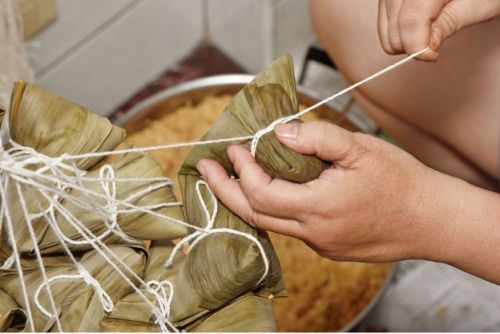 你有沒有想過,是什麼讓粽子,這種看似簡單的立體三角形包裹,成為一種能觸動靈魂的食品?每一口都蒸熟至完美,用竹葉包裹,充滿了各種豐富的食材 - 從多汁的肉到營養的豆和堅果,這種糯米飯糰的每一口都是中華文化豐富織錦的滋味。
粽子的故事始於2300多年前,它的故事融合著歷史和傳奇,隨著時代的變化而發展,成為流行各地的主食及零食,不同口味的棕子,也反映出豐富多元的地方色彩。
雖然現在粽子在一年四季都可吃到,但它的文化意義在端午節期間最為顯著。當全世界的華人家庭聚集在一起製作這些美味的小包裹時,他們也分享著粽子起源的故事。
粽子的故事與著名詩人屈原密不可分。屈原以他的智慧聞名,他是戰國時期楚國的一位深受愛戴的政治家。在失去國王的青睞後,他在流放中將心情寫成了流傳千古的詩句。
公元前278年,災難來襲,他得知熱愛的楚都被秦國佔領。屈原絕望至極,選擇在汨羅江中結束了自己的生命。這一震驚的消息驅使當地村民,瘋狂地驅船入河試圖拯救他。
老百姓的救援計畫徒勞無功,於是他們進一步採取非常策略:將用竹葉包裹的米飯丟入河中,分散魚的注意力,保存屈原的身體。這種充滿熱情與敬愛的作為,藉著粽子不斷的流傳,給端午節增添了特殊的意義。
多年來,粽子已經變化為代表各個地區和風味 - 從廣東和閩南到客家和台灣。
在橙縣和南加州這個多元文化的中心,對粽子的熱愛顯而易見。走進大華超市,或家庭式小店如Champion Food或Diho Bakery,你肯定能找到經典風味的粽子。
你可以在大華超市的冷凍食品區找到最多種類的粽子。有裡面包著紅豆餡、花生、蓮子、龍眼乾或多種穀物的素粽子。偏愛鹹粽子的人也可找到包著豬肉、香菇、梅干菜、蛋黃、和栗子的各式口味粽子。
事實上,粽子如此常見,以至於爾灣周圍的大多數中餐館都沒有在菜單上列出粽子。如果你想品嘗新鮮且正宗的粽子,只有到爾灣的四海餐廳,或是距離爾灣不遠的鼎泰豐。
今年的端午節在6月22日,當你解開綿繩,撥開棕葉時,別忘了,不論吃到是熱的或是冷的棕子,它不僅是一種食物,也代表著流傳千年的文化與傳統。